How to Implement Strong Authentication Methods for Secure User Access
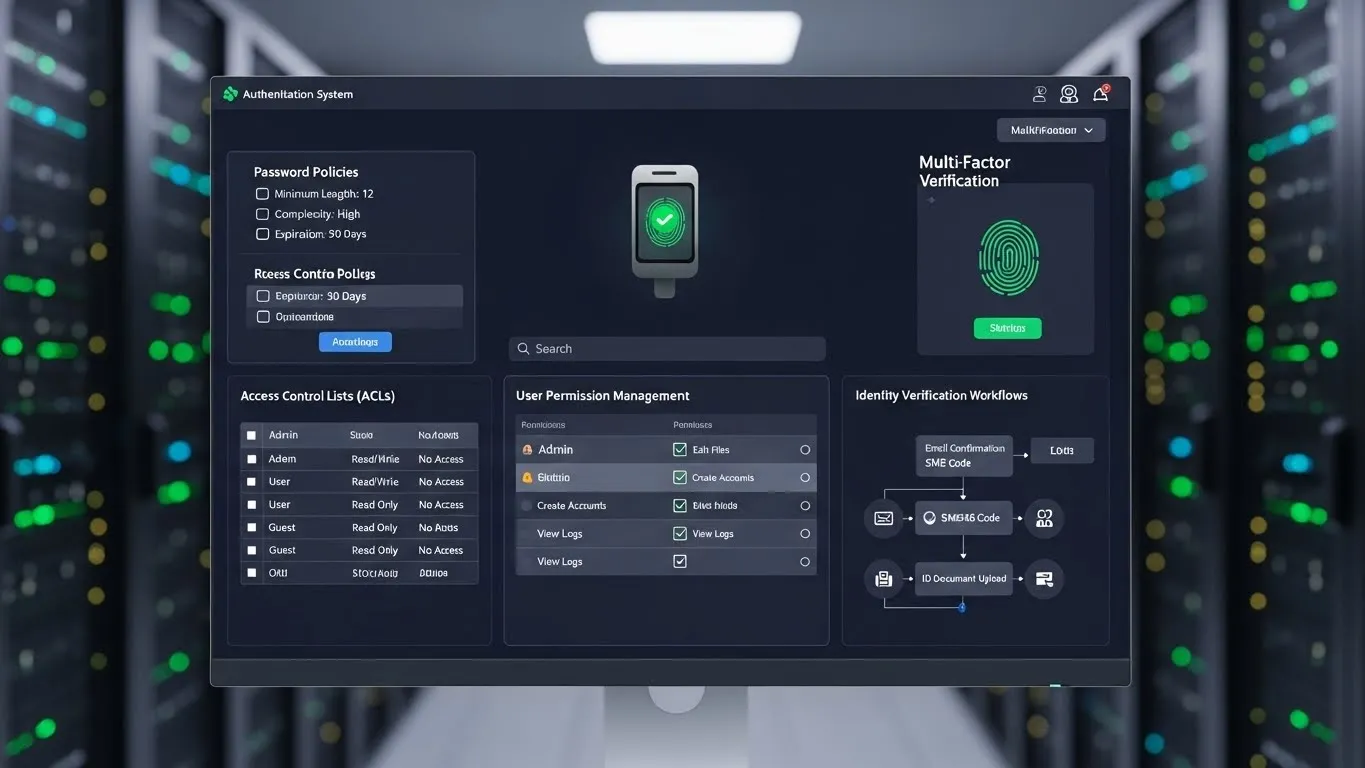
In today's interconnected digital landscape, securing user access is paramount. The escalating sophistication of cyber threats means that relying on simple password protection is no longer sufficient. Implementing strong authentication methods for secure user access is a fundamental pillar of any robust cybersecurity strategy, protecting sensitive data and critical systems from unauthorized entry. This comprehensive guide will walk you through the essential steps and best practices for reinforcing your authentication protocols.
Key Points:
- Layered Security: Employ multiple authentication factors.
- Modern Protocols: Embrace Multi-Factor Authentication (MFA).
- User Experience: Balance security with usability.
- Regular Audits: Continuously review and update authentication policies.
- Education: Inform users about secure practices.
Understanding the Importance of Strong Authentication
The digital realm is rife with vulnerabilities. Phishing attacks, credential stuffing, brute-force attempts, and insider threats can all compromise user accounts if authentication mechanisms are weak. A single compromised account can serve as an entry point for attackers to access vast amounts of sensitive information, disrupt operations, or cause significant financial damage. Therefore, understanding and implementing strong authentication methods for secure user access is not just a technical requirement; it's a business imperative. It builds trust, ensures compliance with regulations like GDPR and HIPAA, and safeguards your organization's reputation.
The Evolution of Authentication: Beyond Passwords
For decades, passwords have been the primary gatekeepers of digital accounts. However, their inherent weaknesses are well-documented. Passwords are often reused, weak, easily guessed, or stolen through various attacks. This has led to the evolution of authentication into more sophisticated and secure forms.
The Rise of Multi-Factor Authentication (MFA)
Multi-Factor Authentication (MFA), often referred to as Two-Factor Authentication (2FA) when two factors are used, is a cornerstone of modern secure access. MFA requires users to provide two or more distinct verification factors to gain access. These factors typically fall into three categories:
- Something you know: This includes passwords, PINs, or security questions.
- Something you have: This involves physical items like a smartphone with an authenticator app, a hardware token, or a smart card.
- Something you are: This encompasses biometric data such as fingerprints, facial scans, or iris recognition.
By requiring a combination of these factors, MFA significantly reduces the risk of unauthorized access, even if one factor is compromised. For instance, even if an attacker obtains a user's password, they would still need access to the user's physical device (e.g., their phone) to complete the login process.
Implementing MFA Effectively
To successfully implement MFA, consider the following:
- Choose the Right Factors: Select factors that align with your security needs and user base. For sensitive applications, a combination of "know" and "have" or "know" and "are" is ideal.
- Authenticator Apps: Recommend or mandate the use of authenticator apps (e.g., Google Authenticator, Authy) over SMS-based codes, as SMS can be susceptible to SIM-swapping attacks.
- Hardware Tokens: For high-security environments, hardware tokens (like YubiKey) offer a robust and phishing-resistant solution.
- Biometrics: Leverage device-integrated biometrics (fingerprint scanners, facial recognition) for ease of use and enhanced security, provided the underlying technology is secure.
- User Training: Crucially, educate your users on why MFA is necessary and how to use it effectively.
Passwordless Authentication: The Future of Secure Access
While MFA significantly enhances security, the concept of passwordless authentication is gaining traction as the next frontier in user access. This approach aims to eliminate passwords altogether, relying on more secure and user-friendly methods.
- Biometrics: As mentioned, biometrics are a key component of passwordless solutions.
- Magic Links/One-Time Passcodes (OTPs): Users receive a unique link or code via email or SMS to log in, which is valid for a single session.
- FIDO2/WebAuthn: These industry standards enable passwordless and phishing-resistant authentication using hardware security keys or platform authenticators. They are designed to be secure, private, and easy to use.
Differentiated Value: While many sources discuss MFA, the integration of FIDO2/WebAuthn represents a significant leap towards a truly passwordless future. It's a phishing-resistant standard that doesn't rely on shared secrets, making it inherently more secure than traditional methods. Industry research from organizations like the FIDO Alliance highlights its growing adoption and effectiveness.
Advanced Authentication Strategies and Best Practices
Beyond the core of MFA and passwordless solutions, several advanced strategies and best practices can further bolster your strong authentication methods for secure user access.
Single Sign-On (SSO) with Strong Authentication
Single Sign-On (SSO) allows users to log in once and access multiple applications. When combined with strong authentication, SSO streamlines user access while maintaining high security.
- Centralized Control: SSO platforms provide a central point for managing user authentication policies.
- Reduced Attack Surface: Users only need to remember one set of strong credentials (or use one primary authentication method).
- Integration: Ensure your SSO solution integrates seamlessly with your chosen MFA or passwordless methods.
Adaptive and Risk-Based Authentication
This approach dynamically adjusts authentication requirements based on context and risk assessment.
- Contextual Factors: Consider factors like user location, device, time of day, and the sensitivity of the resource being accessed.
- Reduced Friction: For low-risk access attempts, users might only need a single factor. However, for high-risk actions, additional verification steps are triggered.
- Real-time Analysis: Leverage user behavior analytics and threat intelligence to identify suspicious activity in real-time.
Differentiated Value: Adaptive authentication moves beyond a one-size-fits-all approach to security. It offers a more nuanced and intelligent way to protect systems, acknowledging that not all access attempts carry the same level of risk. Recent studies on adaptive authentication (e.g., reports from Gartner in 2024) emphasize its role in balancing security with an improved user experience.
Implementing Security Keys and Hardware Tokens
Hardware security keys, such as those compliant with FIDO standards, offer a highly secure and phishing-resistant method of authentication.
- Phishing Resistance: Unlike software-based methods, hardware keys use cryptographic challenges that are difficult for attackers to intercept or mimic.
- Ease of Use: Many modern security keys offer tap-and-go functionality, making them as simple to use as a key card.
- Recovery Options: Plan for lost or stolen keys by implementing robust recovery processes, which may include secondary authentication factors or a pre-defined support channel.
User Education and Awareness
Even the most advanced authentication systems can be undermined by user error or negligence. Comprehensive user education is crucial.
- Regular Training: Conduct regular training sessions on the importance of strong passwords, the risks of phishing, and how to use MFA and other security measures correctly.
- Clear Policies: Develop and communicate clear, easy-to-understand authentication policies.
- Reporting Mechanisms: Establish clear channels for users to report suspicious activity or lost devices.
Managing and Auditing Authentication Systems
Implementing strong authentication methods for secure user access is an ongoing process, not a one-time setup. Regular management and auditing are essential.
Regular Audits and Reviews
- Access Logs: Regularly review access logs to detect anomalies, brute-force attempts, or suspicious login patterns.
- Policy Compliance: Audit your authentication policies and their enforcement to ensure they remain effective and aligned with current threats.
- User Account Reviews: Periodically review user accounts for inactivity or inappropriate access levels.
Keeping Systems Updated
- Software Patches: Ensure all authentication systems, including SSO platforms, MFA providers, and operating systems, are kept up-to-date with the latest security patches.
- Technology Trends: Stay informed about emerging authentication technologies and vulnerabilities.
Frequently Asked Questions (FAQ)
Q1: What is the difference between MFA and 2FA? A1: MFA (Multi-Factor Authentication) requires two or more verification factors, while 2FA (Two-Factor Authentication) specifically uses two factors. Therefore, 2FA is a subset of MFA. Both significantly enhance security beyond single-factor authentication like passwords.
Q2: Are passwordless authentication methods truly secure? A2: Yes, when implemented correctly, passwordless methods like FIDO2/WebAuthn are considered more secure than traditional passwords. They are resistant to phishing and credential stuffing attacks, as they don't rely on secrets that can be stolen.
Q3: How often should I update my authentication policies? A3: Authentication policies should be reviewed at least annually, or more frequently if significant changes occur in your threat landscape, regulatory requirements, or technology stack. Continuous monitoring is key.
Q4: What are the biggest challenges in implementing strong authentication? A4: Common challenges include user adoption and resistance to change, the complexity of integration with existing systems, managing different authentication factors, and the cost associated with implementing and maintaining advanced solutions.
Conclusion and Next Steps
Implementing strong authentication methods for secure user access is a critical and continuous endeavor. By moving beyond basic password protection and embracing Multi-Factor Authentication, passwordless solutions, and adaptive strategies, organizations can significantly fortify their defenses against cyber threats. Prioritizing user education and maintaining robust auditing practices ensures that your security measures remain effective.
Your next steps should include:
- Assess your current authentication landscape: Identify your weakest points.
- Plan your MFA or passwordless rollout: Prioritize critical applications and user groups.
- Educate your users: Make them active participants in your security strategy.
- Explore adaptive authentication: For a more intelligent and user-friendly approach.
- Stay informed: Keep up with the latest in authentication technology and threats.
For deeper insights into securing your digital perimeter, consider exploring related articles on identity and access management best practices and understanding advanced threat vectors.
We encourage you to share your experiences and challenges with implementing strong authentication methods in the comments below. Your input helps build a more secure digital future for everyone.