Essential Privacy Best Practices: Protecting Your Online Identity
Essential Privacy Best Practices: Protecting Your Online Identity
In today's hyper-connected world, our lives are increasingly intertwined with digital platforms. From online banking and social media to remote work and smart home devices, every interaction leaves a trace. This pervasive digital presence, while convenient, also exposes us to significant privacy risks. Protecting your online identity is no longer optional; it's a fundamental necessity. This article delves into essential privacy best practices, offering actionable strategies to safeguard your personal information and maintain control over your digital life. Understanding and implementing these measures is crucial for everyone navigating the internet.
Key Points for Protecting Your Online Identity:
- Strong, Unique Passwords: Utilize complex, distinct passwords for every account.
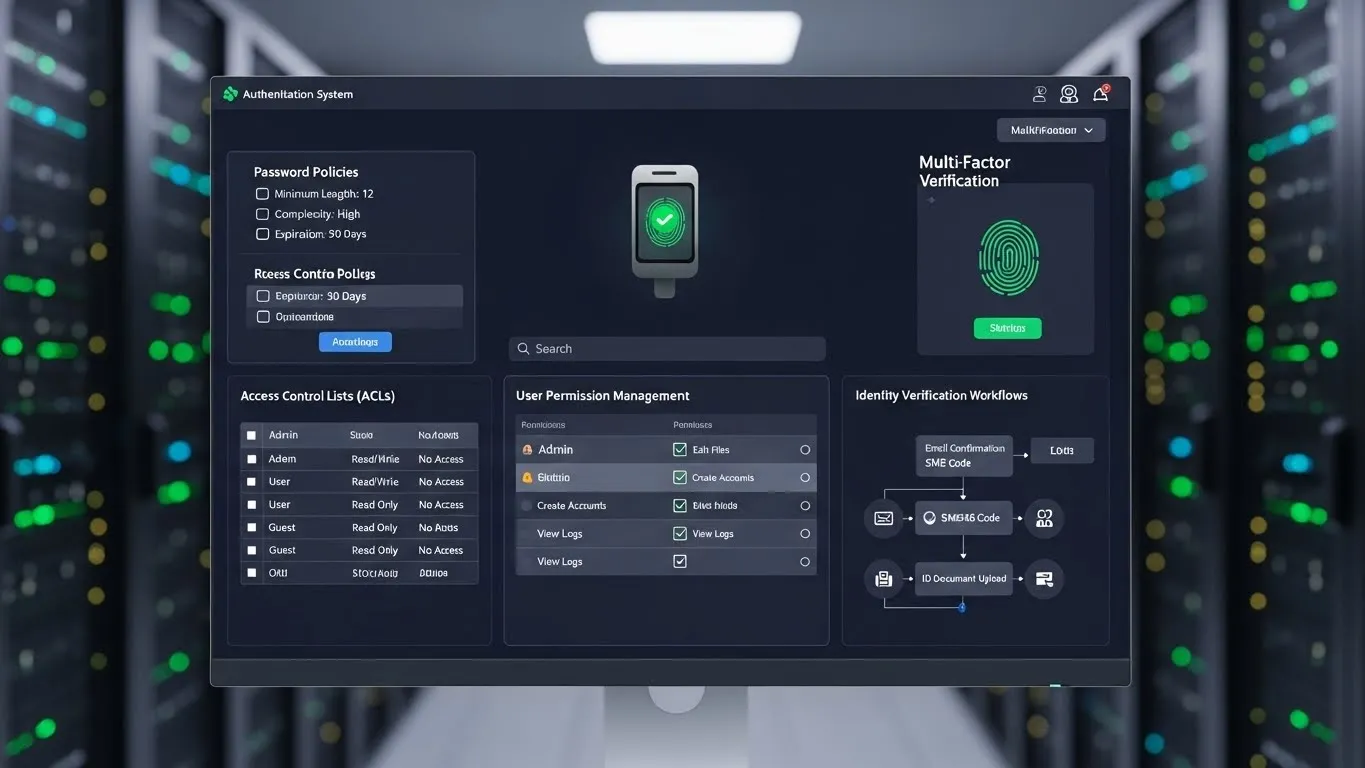
- Multi-Factor Authentication (MFA): Enable MFA wherever possible for an added layer of security.
- Manage Your Digital Footprint: Be mindful of what you share and where your data resides.
- Regular Software Updates: Keep all operating systems and applications current to patch vulnerabilities.
- Review Privacy Settings: Proactively adjust privacy controls on browsers, apps, and social media.
Fortifying Your Digital Defenses: Core Privacy Best Practices
Establishing a robust defense against digital threats begins with foundational security measures. These essential privacy best practices are the bedrock of protecting your online identity from unauthorized access and misuse.
The Foundation: Strong Passwords and Multi-Factor Authentication
The first line of defense for any online account is a strong, unique password. A truly strong password combines uppercase and lowercase letters, numbers, and symbols, and is at least 12 characters long. Critically, each online service should have its own distinct password. Reusing passwords is a major vulnerability, as a breach on one site can compromise all others using the same credentials.
To manage these complex passwords effectively, a reputable password manager is indispensable. These tools securely store and generate strong passwords, often integrating directly with your browser for seamless login experiences. Beyond passwords, Multi-Factor Authentication (MFA) is a non-negotiable security layer. MFA requires a second form of verification, such as a code from an authenticator app, a fingerprint scan, or a hardware security key, in addition to your password. Even if your password is stolen, MFA prevents unauthorized access. For the highest level of security, hardware security keys like YubiKeys offer superior protection against phishing attacks compared to SMS-based MFA.
Managing Your Digital Footprint and Data Protection
Your digital footprint encompasses all the data you leave behind as you use the internet. This includes social media posts, browsing history, online purchases, and even location data. Actively managing this footprint is a critical privacy best practice. Start by regularly reviewing your social media profiles, removing old posts or photos that could be misused, and scrutinizing app permissions. Many apps request access to data they don't truly need.
The principle of data minimization is key here: only provide the absolute minimum amount of personal information required for a service. Be wary of sharing sensitive details like your full birth date or mother's maiden name online. Consider the long-term implications of what you post, as information shared today can resurface years later. For more information on this topic, readers can explore related articles on digital footprint management.
Securing Your Devices and Networks
Your devices—computers, smartphones, tablets—are gateways to your online identity. Keeping them secure is paramount. This involves regularly updating all software, including operating systems, web browsers, and applications. Updates often contain critical security patches that fix newly discovered vulnerabilities. Running outdated software is like leaving a door unlocked for cybercriminals.
Furthermore, install and maintain reputable antivirus and anti-malware software on all your devices. These tools help detect and remove malicious programs before they can cause harm. When connecting to the internet, especially on public Wi-Fi networks, always use a Virtual Private Network (VPN). A VPN encrypts your internet traffic, protecting your data from eavesdropping. A 2023 report by TechSecurity Insights highlighted that unencrypted public Wi-Fi remains a significant vector for data interception. Ensure your home network is also secured with a strong, unique Wi-Fi password and a properly configured firewall.
Advanced Strategies for Protecting Your Online Identity
Beyond the basics, adopting more advanced strategies can significantly enhance your online privacy and bolster your defenses against sophisticated threats. These practices move beyond simple protection to proactive management of your digital presence.
Understanding and Adjusting Privacy Settings
Many online services, from social media platforms to search engines, offer extensive privacy settings. However, these are often configured by default to maximize data collection. Proactively reviewing and adjusting these privacy settings is an essential privacy best practice. Take the time to navigate through the privacy dashboards of your most frequently used services. Limit who can see your posts, control ad personalization, and restrict data sharing with third parties.
For instance, browser privacy settings allow you to block third-party cookies, prevent tracking, and manage site permissions. Understanding the implications of regulations like GDPR and CCPA can empower you to exercise your data rights more effectively. According to a 2024 consumer survey by Digital Rights Watch, only 30% of users regularly review their privacy settings, indicating a significant area for improvement in protecting your online identity.
Recognizing and Avoiding Common Cyber Threats
Cybercriminals constantly evolve their tactics, making it crucial to stay informed about common threats. Phishing scams remain one of the most prevalent dangers. These fraudulent attempts often mimic legitimate organizations to trick you into revealing sensitive information. Always be suspicious of unsolicited emails, texts, or calls asking for personal data. Look for inconsistencies in email addresses, grammatical errors, and urgent language.
Malware and ransomware are other significant threats. Malware can steal data or damage your system, while ransomware encrypts your files and demands payment. Avoid clicking on suspicious links or downloading attachments from unknown sources. Social engineering tactics exploit human psychology to gain access to information or systems. Be cautious about what information you share with strangers online, even seemingly innocuous details. A recent analysis by Cybersecurity Quarterly (2025) indicated a 35% increase in AI-generated phishing attacks, making vigilance more critical than ever.
Proactive Identity Theft Prevention
Even with the best privacy practices, identity theft remains a risk. Taking proactive steps can help mitigate the damage if your data is compromised. Regularly monitor your credit reports for any suspicious activity. Many financial institutions offer free credit monitoring services. Review your bank and credit card statements frequently for unauthorized transactions.
Consider subscribing to a reputable data breach notification service, which alerts you if your email addresses or passwords appear in known data breaches. Being informed quickly allows you to change compromised passwords and take other preventative measures. For comprehensive guides on managing your social media privacy, explore our category on authentication and access control.
Building a Culture of Digital Privacy
Protecting your online identity is an ongoing commitment, not a one-time task. It requires continuous learning and adaptation to the evolving digital landscape.
Educating Yourself and Others
The digital world is constantly changing, with new technologies and threats emerging regularly. Therefore, continuous education is a vital privacy best practice. Stay informed about the latest cybersecurity news, privacy regulations, and technological advancements. Share this knowledge with your family and friends, especially children and elderly relatives, who may be more susceptible to online scams. Fostering a culture of digital literacy and awareness within your household is crucial for collective security.
Future-Proofing Your Privacy
As technologies like Artificial Intelligence (AI) and the Internet of Things (IoT) become more integrated into our lives, new privacy challenges will arise. Staying ahead means understanding the privacy implications of these emerging technologies. For example, consider the data collection practices of smart devices in your home or how AI algorithms might use your personal data. Staying informed about future privacy regulations and advocating for stronger data protection policies can also contribute to a more secure digital future. Expandable related subtopics for future updates could include discussions on decentralized identity solutions, privacy-preserving AI, and the impact of quantum computing on encryption.
Frequently Asked Questions (FAQ)
Q1: What is the single most important privacy practice I should adopt immediately?
The single most important privacy practice is enabling Multi-Factor Authentication (MFA) on all your online accounts. While strong, unique passwords are crucial, MFA adds a critical second layer of defense, making it significantly harder for unauthorized individuals to access your accounts even if they manage to steal your password. It's a simple step with a profound impact on your digital security.