Choosing the Right Security Tools for Comprehensive Digital Asset Protection
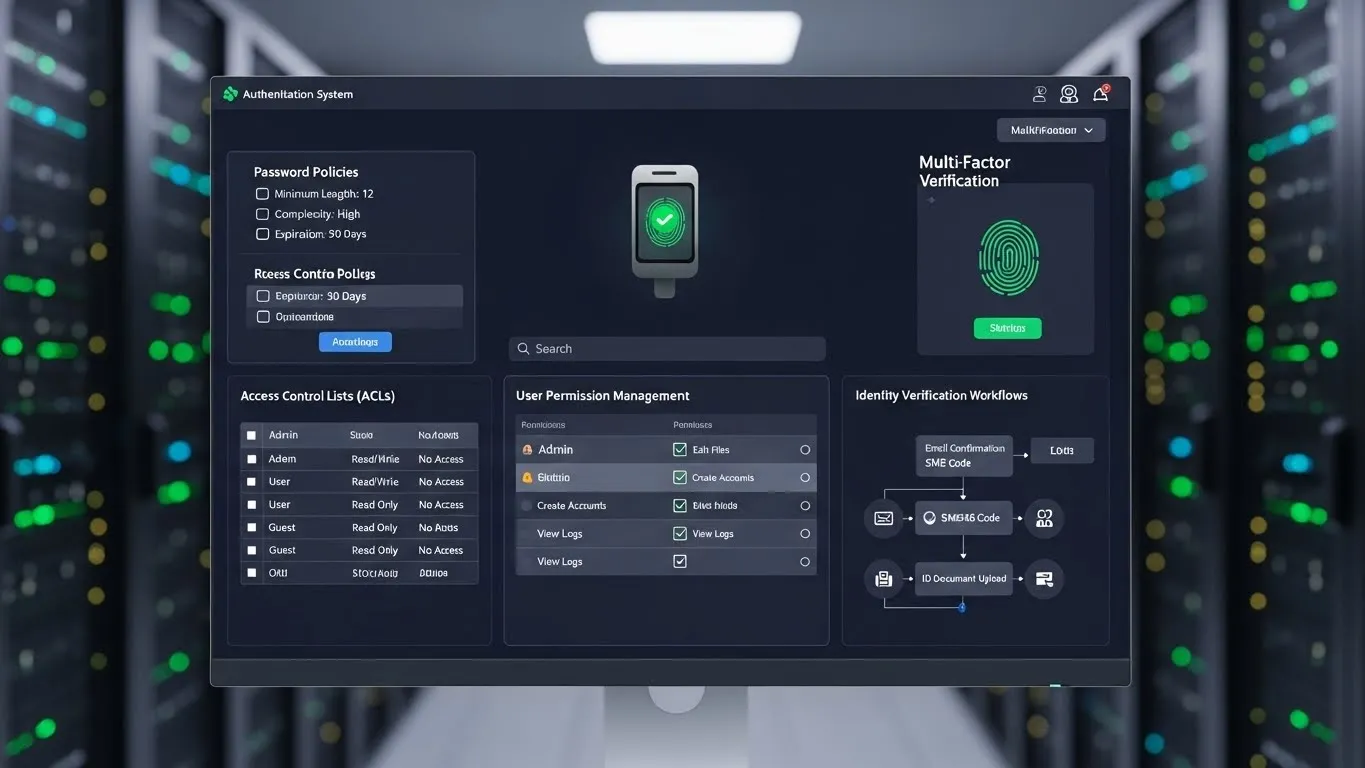
Choosing the right security tools is paramount in today's digital landscape, where the value and volume of digital assets are continuously growing. A robust cybersecurity strategy isn't just about having a firewall; it's about implementing a layered defense that protects your sensitive data, intellectual property, and operational continuity from an ever-evolving threat landscape. This comprehensive guide will help you navigate the complex world of security tools, ensuring your digital assets are comprehensively protected.
Key Points:
- Layered Security: Implement multiple security solutions for comprehensive protection.
- Asset Identification: Understand what digital assets need protecting.
- Risk Assessment: Identify potential threats and vulnerabilities.
- Tool Selection Criteria: Evaluate tools based on features, integration, and support.
- Continuous Monitoring: Regularly review and update your security posture.
Understanding Your Digital Assets and Threats
Before diving into specific security tools, a fundamental understanding of what you're protecting and from whom is crucial. Your digital assets can range from customer databases and financial records to proprietary code and strategic plans. Each asset has a unique value and requires a tailored protection strategy.
Identifying Your Digital Assets
A thorough inventory of your digital assets is the first step. This includes:
- Data: Customer PII, financial data, intellectual property, trade secrets, employee records.
- Systems: Servers, workstations, cloud infrastructure, IoT devices, operational technology (OT).
- Applications: Web applications, custom software, third-party SaaS solutions.
- Credentials: User accounts, API keys, administrative privileges.
Understanding the criticality of each asset helps prioritize protection efforts. For instance, a breach of customer PII might have more severe regulatory and reputational consequences than a temporary outage of a non-essential internal tool.
Conducting a Risk Assessment
Once assets are identified, perform a comprehensive risk assessment. This involves:
- Threat Identification: What are the potential dangers? This includes external threats like malware, ransomware, phishing, and DDoS attacks, as well as internal threats such as insider negligence or malicious activity.
- Vulnerability Analysis: Where are your weak points? This could be unpatched software, weak access controls, insecure coding practices, or lack of employee training.
- Impact Assessment: What would be the consequence of a successful attack? Consider financial losses, reputational damage, legal liabilities, and operational downtime.
A study from [Company X, Cybersecurity Report 2024] indicated that over 60% of businesses experienced a significant cyber incident in the past year, with ransomware being a primary concern. This highlights the urgent need for effective security tool deployment.
Core Security Tool Categories for Comprehensive Protection
Achieving comprehensive digital asset protection requires a multi-faceted approach, integrating various security tools that work in tandem. No single tool can offer complete security, but a well-chosen combination can create robust defenses.
Network Security Tools
These tools focus on protecting the perimeter and internal network from unauthorized access and malicious traffic.
- Firewalls: Act as a barrier between your internal network and external sources. Next-generation firewalls (NGFWs) offer more advanced features like intrusion prevention and application control.
- Intrusion Detection/Prevention Systems (IDS/IPS): Monitor network traffic for suspicious activity and can alert administrators or actively block threats.
- Virtual Private Networks (VPNs): Encrypt traffic and provide secure remote access, essential for protecting data in transit.
- Network Access Control (NAC): Enforce security policies and compliance by controlling device access to the network.
Endpoint Security Tools
Endpoints – such as laptops, desktops, servers, and mobile devices – are often the first point of entry for attackers.
- Antivirus/Anti-malware Software: Detects and removes known malicious software. Modern solutions offer real-time scanning and behavioral analysis.
- Endpoint Detection and Response (EDR): Goes beyond traditional antivirus, providing advanced threat detection, investigation capabilities, and automated response actions.
- Mobile Device Management (MDM): Secures and manages mobile devices, ensuring compliance with corporate security policies.
Data Security Tools
Protecting the confidentiality, integrity, and availability of your data is paramount.
- Data Loss Prevention (DLP): Monitors and controls data in use, in motion, and at rest to prevent sensitive information from leaving the organization.
- Encryption Tools: Encrypt data at rest (e.g., on hard drives) and in transit (e.g., using TLS/SSL) to render it unreadable to unauthorized parties.
- Database Security: Tools that monitor database activity, enforce access controls, and detect suspicious queries.
Identity and Access Management (IAM) Tools
Ensuring only authorized individuals have access to the right resources is a cornerstone of security.
- Multi-Factor Authentication (MFA): Requires users to provide multiple forms of verification before granting access, significantly reducing the risk of compromised credentials.
- Single Sign-On (SSO): Allows users to access multiple applications with a single set of login credentials, improving user experience and centralizing security management.
- Privileged Access Management (PAM): Secures, manages, and monitors privileged accounts, which have extensive system access and are prime targets for attackers.
Application Security Tools
Securing the applications your business relies on is critical to preventing exploitation.
- Web Application Firewalls (WAFs): Protect web applications from common web-based attacks like SQL injection and cross-site scripting (XSS).
- Static/Dynamic Application Security Testing (SAST/DAST): Tools that analyze code for vulnerabilities (SAST) or test running applications (DAST) to identify security flaws.
- API Security: Tools designed to protect Application Programming Interfaces (APIs) from unauthorized access and malicious exploitation.
Cloud Security Tools
As organizations migrate to the cloud, specialized tools are needed to secure these environments.
- Cloud Security Posture Management (CSPM): Automates the detection and remediation of misconfigurations in cloud environments.
- Cloud Workload Protection Platforms (CWPP): Secure cloud-based servers, containers, and serverless functions.
- Cloud Access Security Brokers (CASB): Act as intermediaries between users and cloud services, enforcing security policies and providing visibility.
Differentiating Factors: Choosing the Right Tools
The market is flooded with security tools. Making the right choice involves looking beyond basic features.
1. Integration Capabilities and Automation
A truly comprehensive digital asset protection strategy relies on seamless integration between different security tools. A Security Orchestration, Automation, and Response (SOAR) platform, for example, can dramatically improve incident response times by automating routine tasks and workflows across various security solutions. This interconnectedness allows for better visibility, faster threat detection, and more efficient remediation. Look for tools that offer robust APIs and support for industry standards like STIX/TAXII for threat intelligence sharing.
2. Proactive Threat Hunting and Behavioral Analysis
While many tools focus on detecting known threats, leading solutions increasingly emphasize proactive threat hunting and behavioral analysis. This means going beyond signature-based detection to identify novel or sophisticated attacks by analyzing user and system behavior for anomalies. Tools that leverage machine learning and artificial intelligence (AI) to understand normal patterns and flag deviations are invaluable for uncovering advanced persistent threats (APTs) that might bypass traditional defenses. As reported in the [Global Cybersecurity Trends Report 2025], organizations prioritizing behavioral analytics saw a 30% reduction in the dwell time of attackers.
Implementing and Managing Your Security Toolset
Selecting the tools is only part of the equation. Effective implementation, configuration, and ongoing management are essential for realizing their full potential.
Key Considerations for Selection
When evaluating security tools, consider these factors:
- Features and Functionality: Do the tools meet your specific needs identified in the risk assessment?
- Ease of Use and Management: Can your IT team effectively deploy, configure, and manage the tools?
- Scalability: Can the tools grow with your organization?
- Vendor Reputation and Support: Does the vendor have a strong track record and provide reliable support?
- Cost of Ownership: Beyond the initial purchase price, consider ongoing maintenance, training, and potential consulting fees.
- Compliance Requirements: Do the tools help you meet regulatory obligations (e.g., GDPR, HIPAA)?
The Importance of a Security Operations Center (SOC)
For many organizations, managing a complex array of security tools effectively requires dedicated resources. A Security Operations Center (SOC) – whether in-house or outsourced – is crucial for continuous monitoring, threat analysis, and incident response. The SOC team uses these tools to maintain vigilance over your digital assets, day in and day out.
Continuous Monitoring and Updates
The threat landscape is constantly changing, and so must your defenses.
- Regular Reviews: Periodically review your security tool efficacy and adjust configurations as needed.
- Patch Management: Keep all security tools and the systems they protect updated with the latest patches.
- Training: Ensure your security personnel are well-trained on the tools they use.
- Threat Intelligence: Integrate threat intelligence feeds to stay informed about emerging threats and vulnerabilities.
Frequently Asked Questions (FAQ)
Q1: What is the most crucial security tool for small businesses? For small businesses, a robust endpoint security solution that includes advanced antivirus and anti-malware capabilities, coupled with a strong firewall and regular data backups, forms a foundational layer of protection against common threats like ransomware and phishing.
Q2: How can I ensure my chosen security tools work well together? Prioritize tools that offer open APIs and support industry-standard integration protocols. Look for vendors that highlight their integration capabilities with other security solutions and consider platforms like SOAR to orchestrate workflows between different tools.
Q3: Is it better to buy an all-in-one security suite or individual tools? While all-in-one suites can offer convenience and cost savings, individual tools might provide superior functionality for specific needs. The best approach depends on your organization's complexity, budget, and in-house expertise. Often, a hybrid approach, combining a core suite with specialized best-of-breed solutions, works effectively.
Q4: How often should I update my security tools? Security tools should be updated as soon as vendor-provided patches and updates are available. This includes both the software itself and its threat signature databases. Regular re-evaluation of your entire security toolset's effectiveness, at least annually, is also recommended.
Conclusion: Building a Resilient Digital Fortress
Choosing the right security tools for comprehensive digital asset protection is not a one-time task but an ongoing process. It requires a deep understanding of your assets, a realistic assessment of threats, and a strategic selection of tools that offer layered, integrated, and proactive defenses. By investing in the right technology, implementing best practices, and fostering a security-aware culture, you can build a resilient digital fortress capable of withstanding modern cyber threats.
Don't let your valuable digital assets remain vulnerable. Start by auditing your current security posture and exploring the tools that best fit your organization's unique needs.
For more insights into specific threat mitigation strategies, consider exploring related articles on [incident response planning] and [data breach prevention].
What security tools are you currently using, and what challenges have you faced in choosing the right ones? Share your thoughts in the comments below!
This article was last updated on 2026-01-14. Cybersecurity threats and solutions evolve rapidly; consider revisiting this topic for the latest information.